
























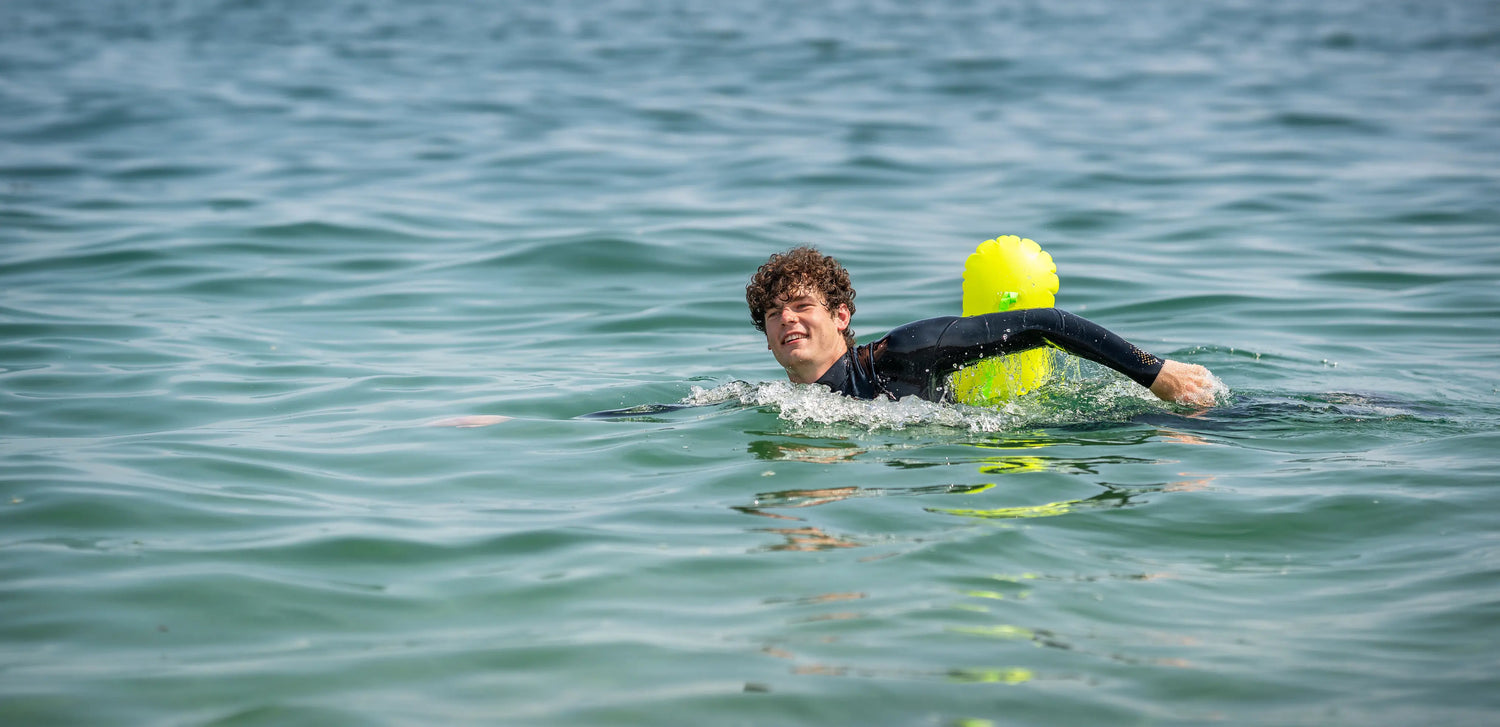
Sea swimming is one of the fastest-growing outdoor activities in the UK - and for good reason. It boosts mood, builds resilience and connects you with nature. But open water is very different from a swimming pool, so preparation is essential.
Start with the Right Location
Choose:
- Lifeguarded beaches
- Sheltered bays
- Calm tide conditions
Avoid strong currents, harbours and boat traffic areas.
Acclimatise Gradually
Cold water shock is real. Enter slowly and let your breathing settle before swimming. Start with short sessions and increase duration over time.
Always Swim with Others
Never swim alone. Join a local sea swimming group or bring a friend. Visibility and support significantly increase safety.
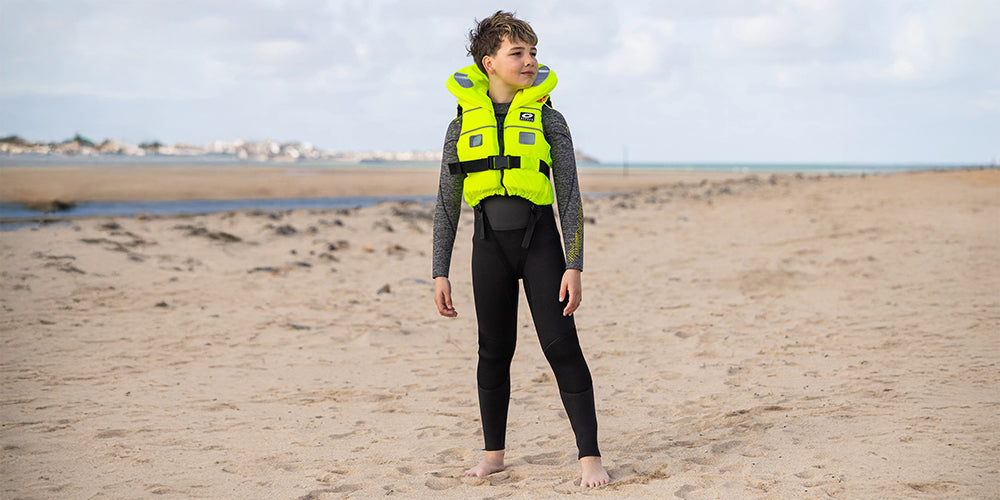
Wear Safety Essentials
Recommended beginner kit:
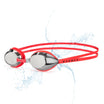
- Bright swim cap (visibility)
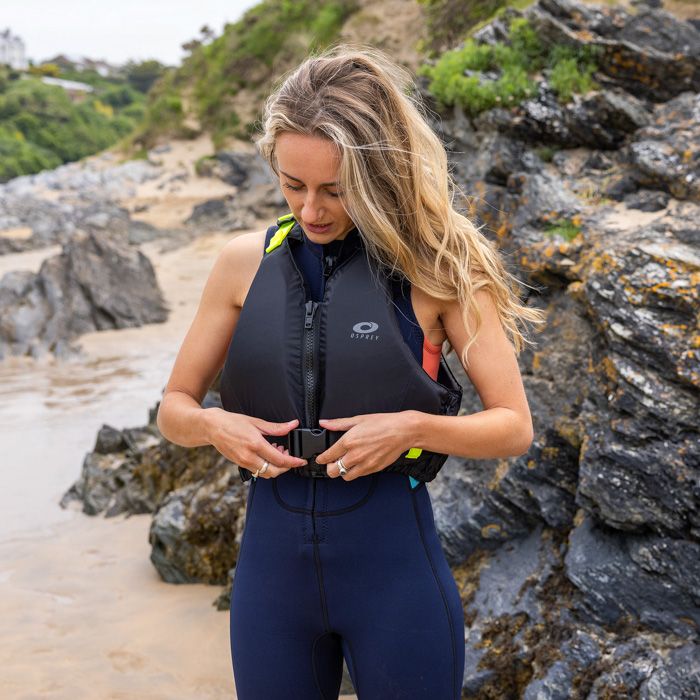
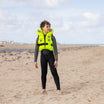
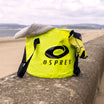
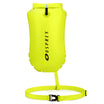
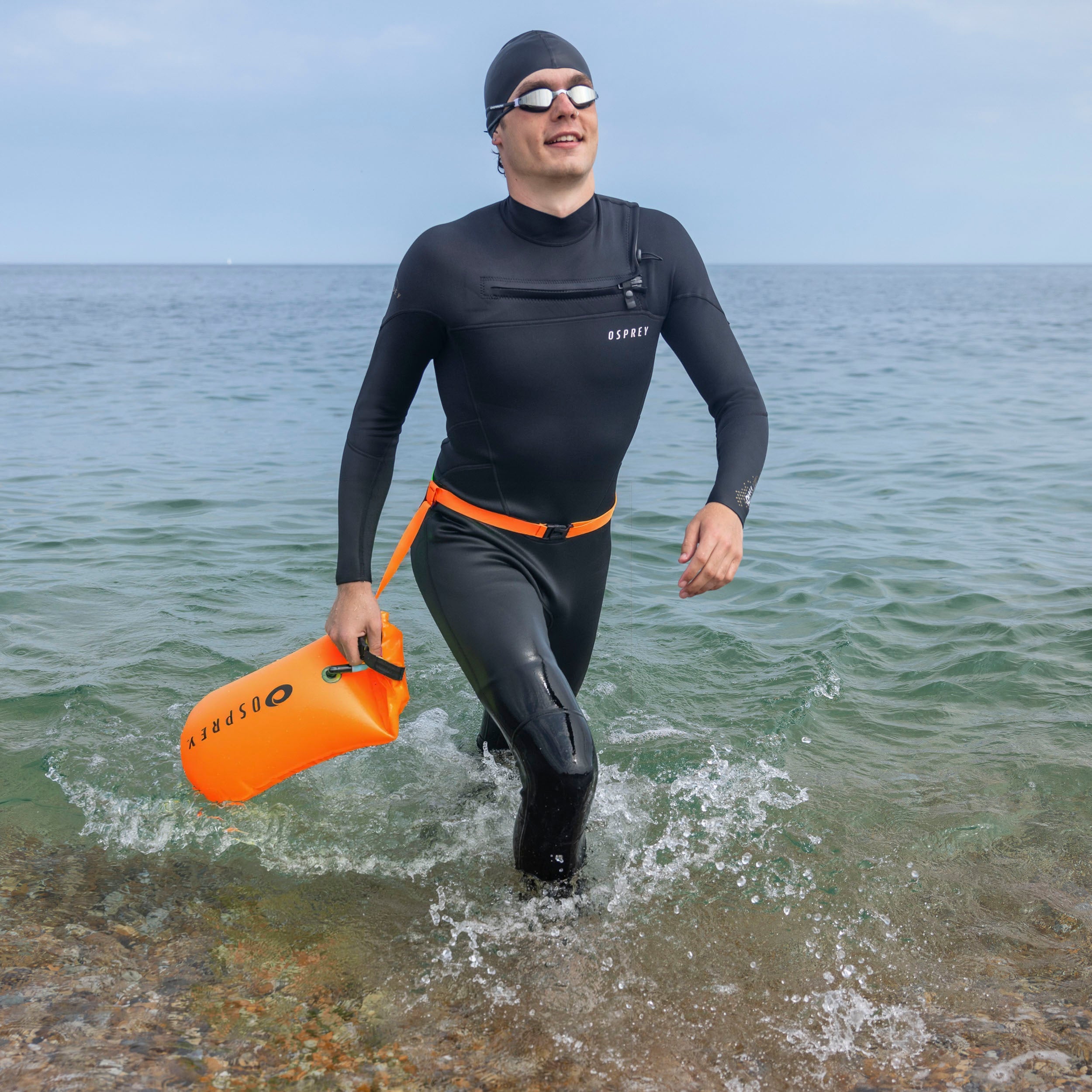
- Swim float (buoyancy + visibility)
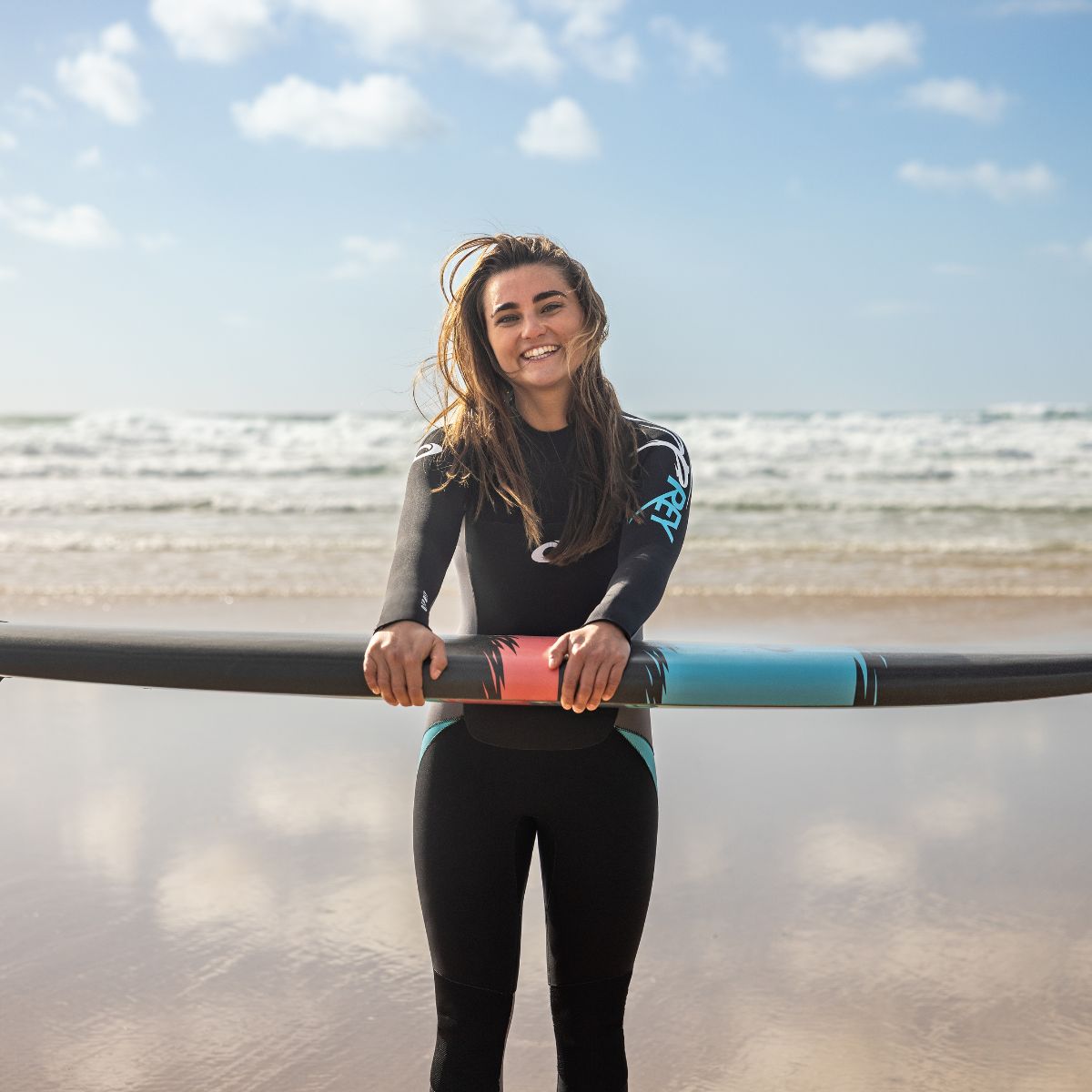
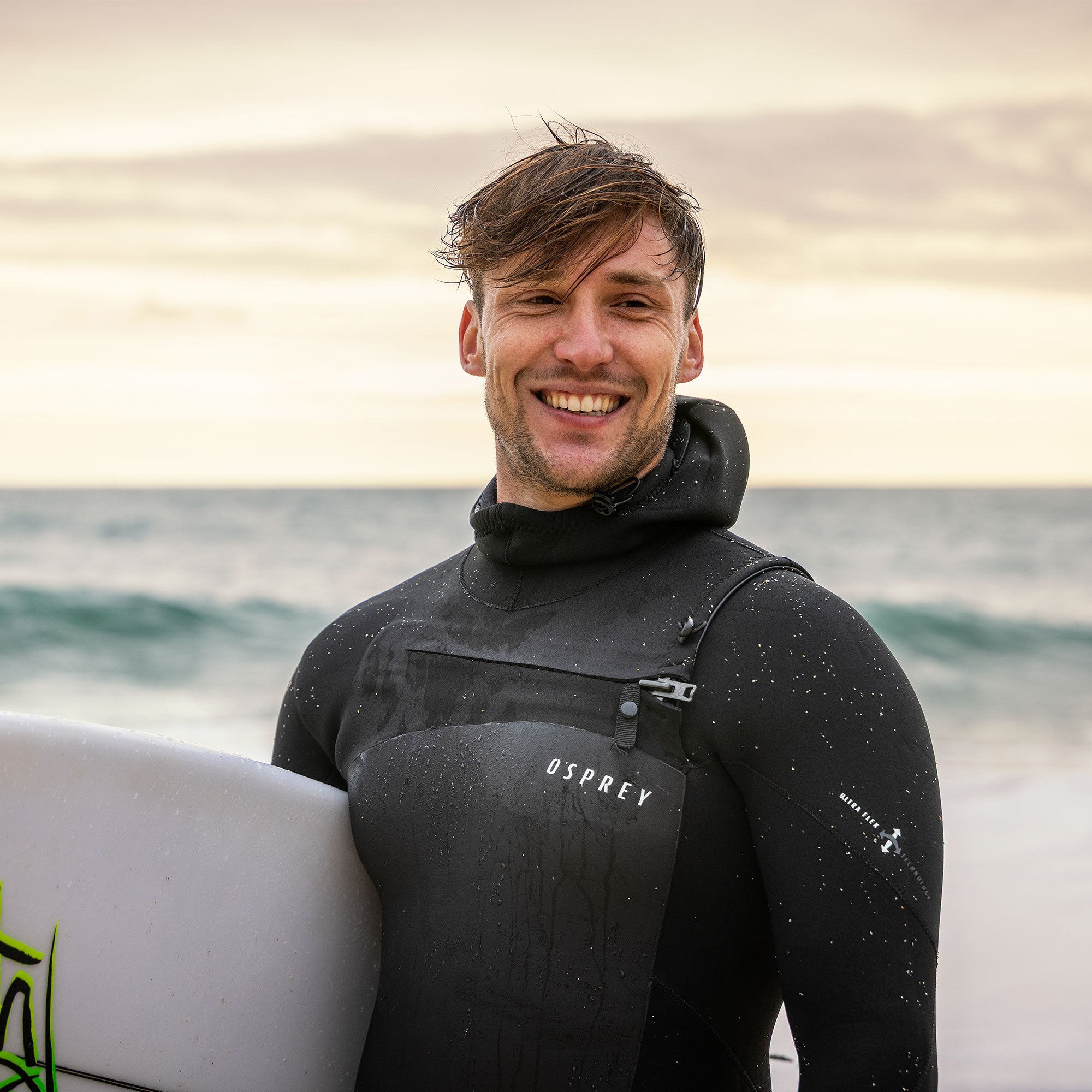
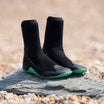
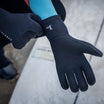
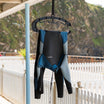
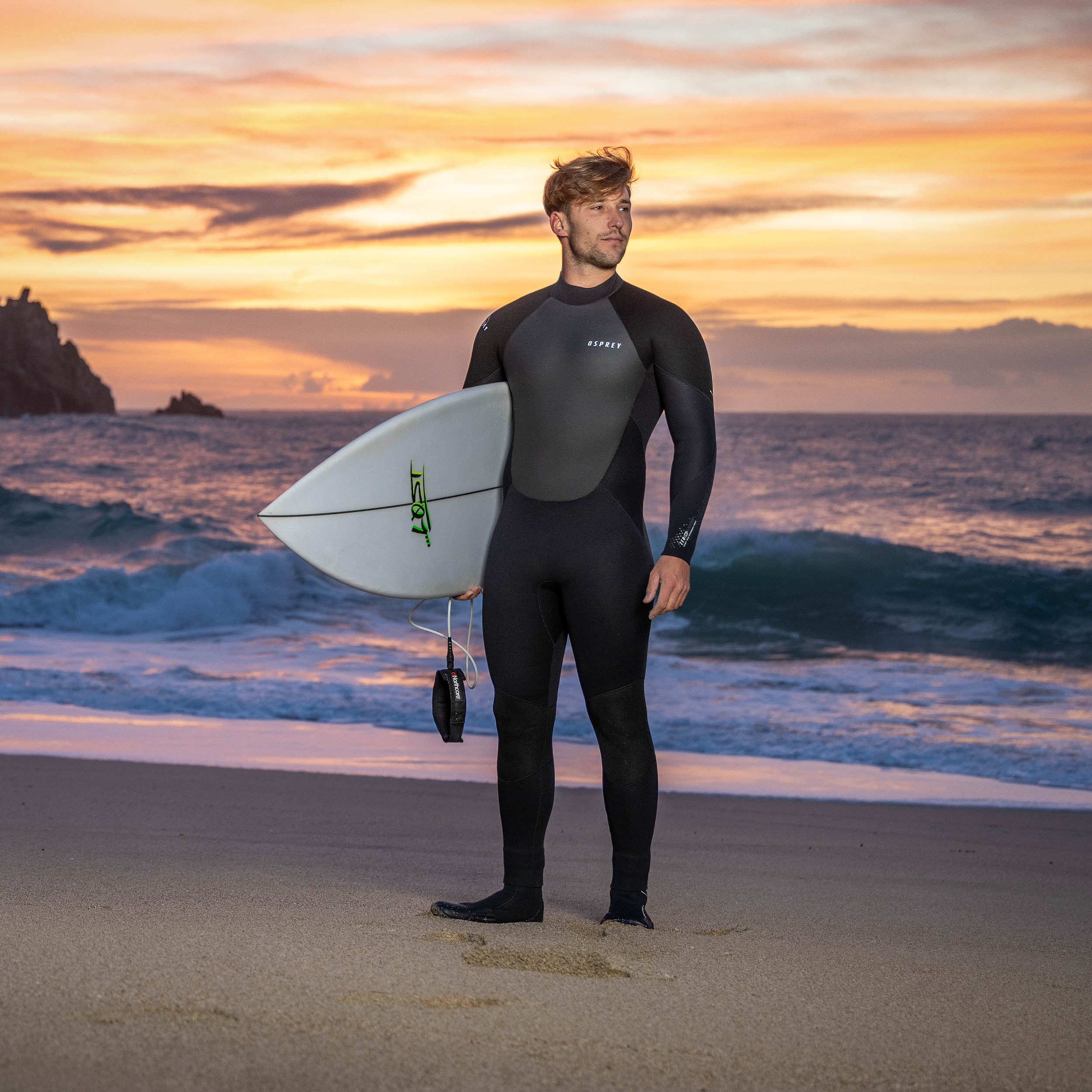
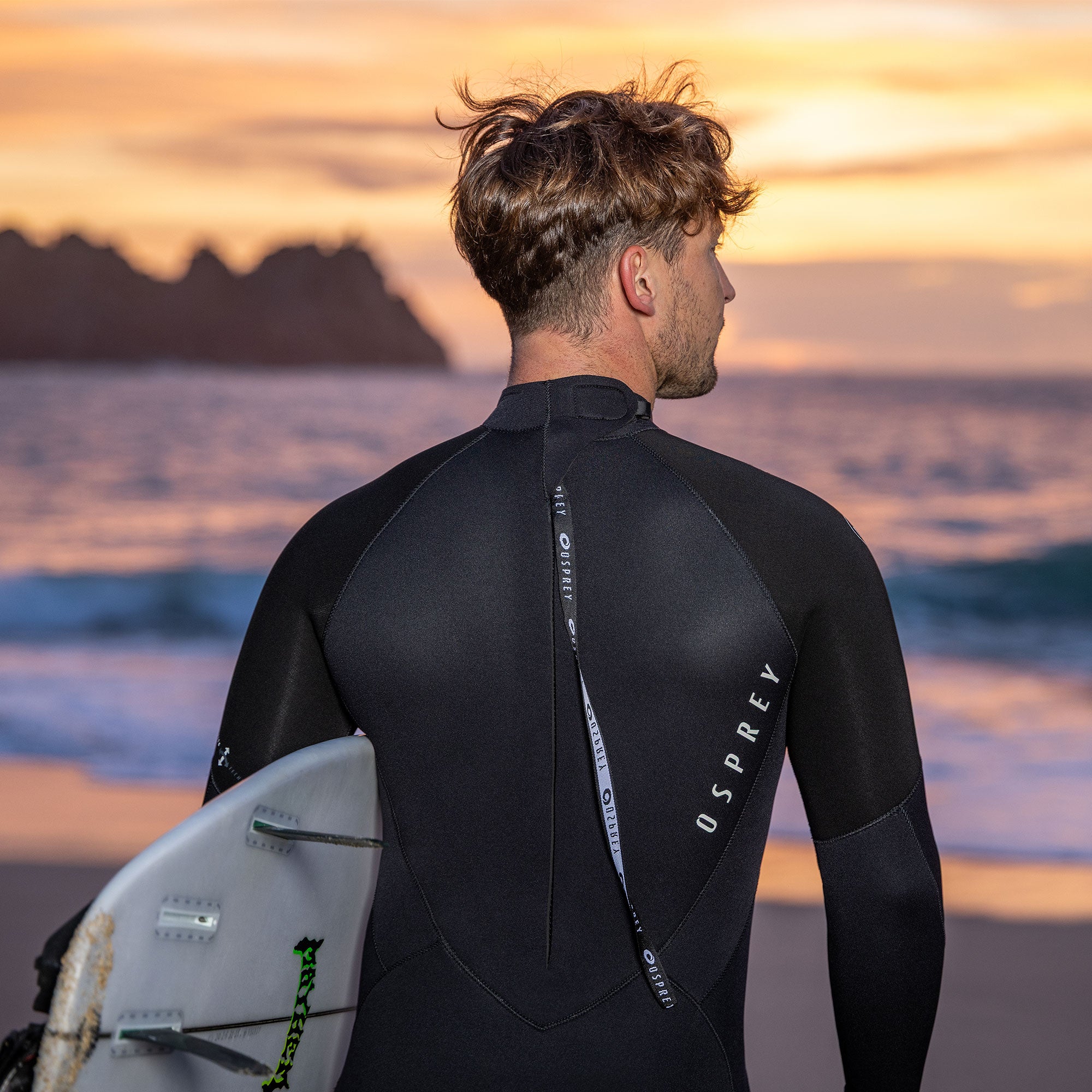
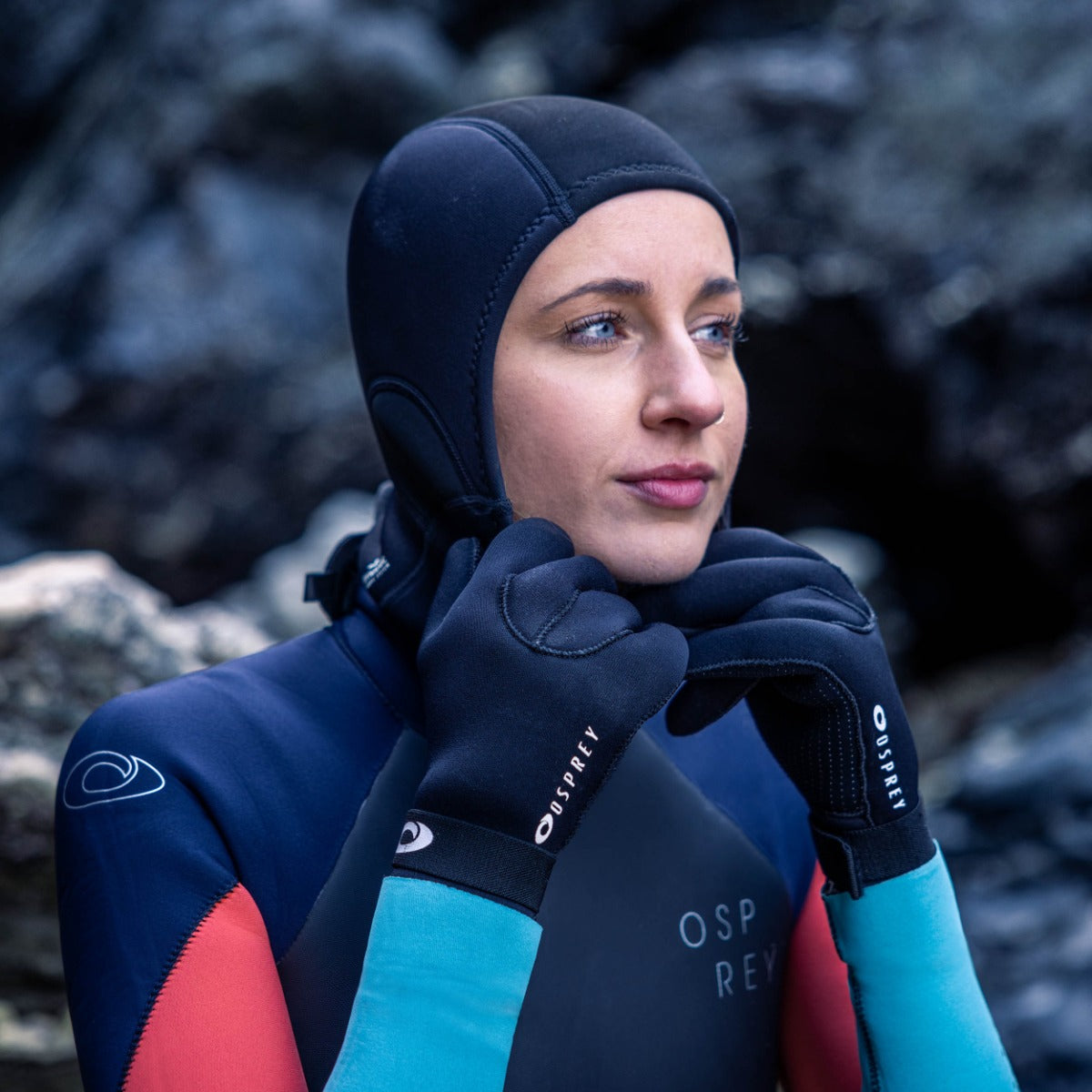
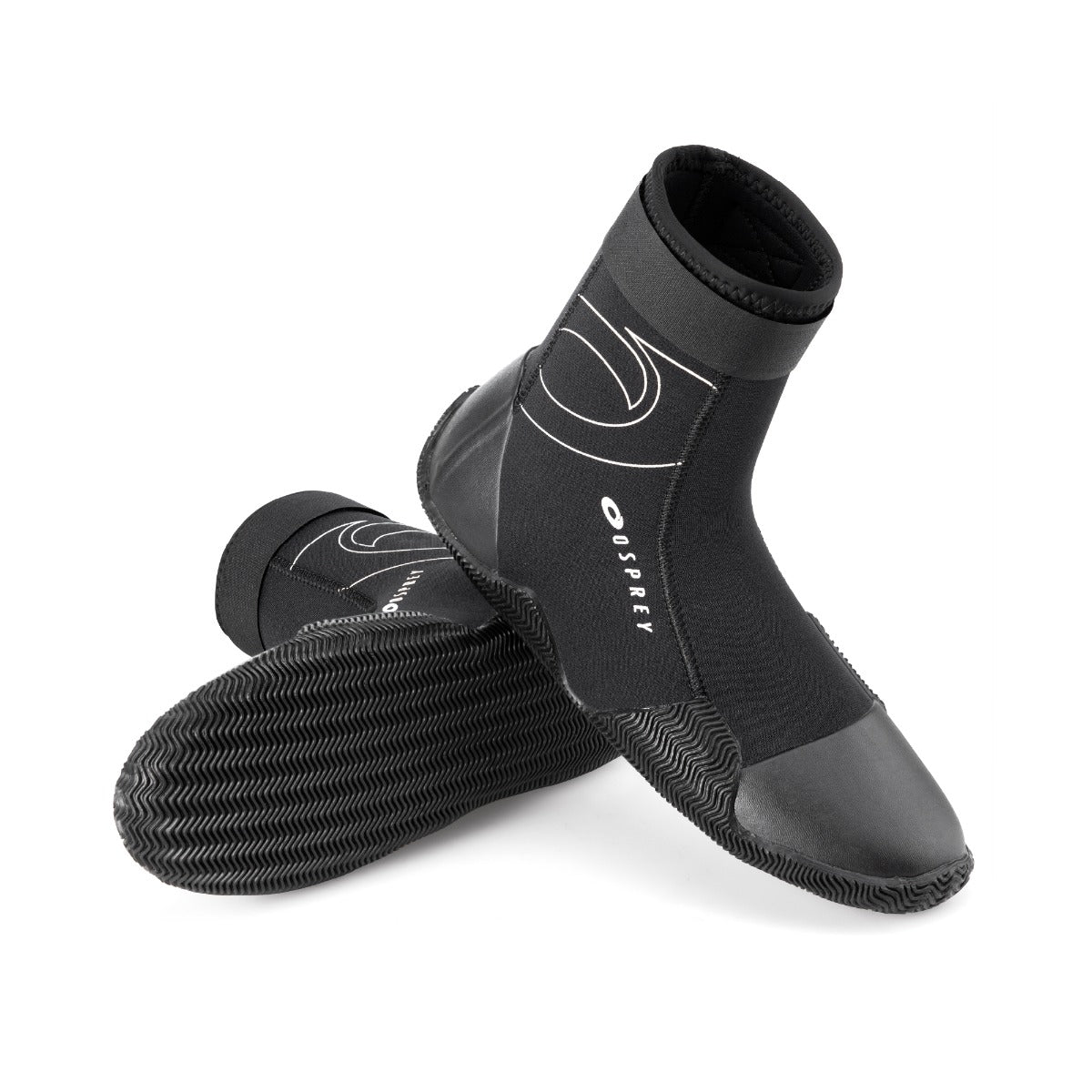
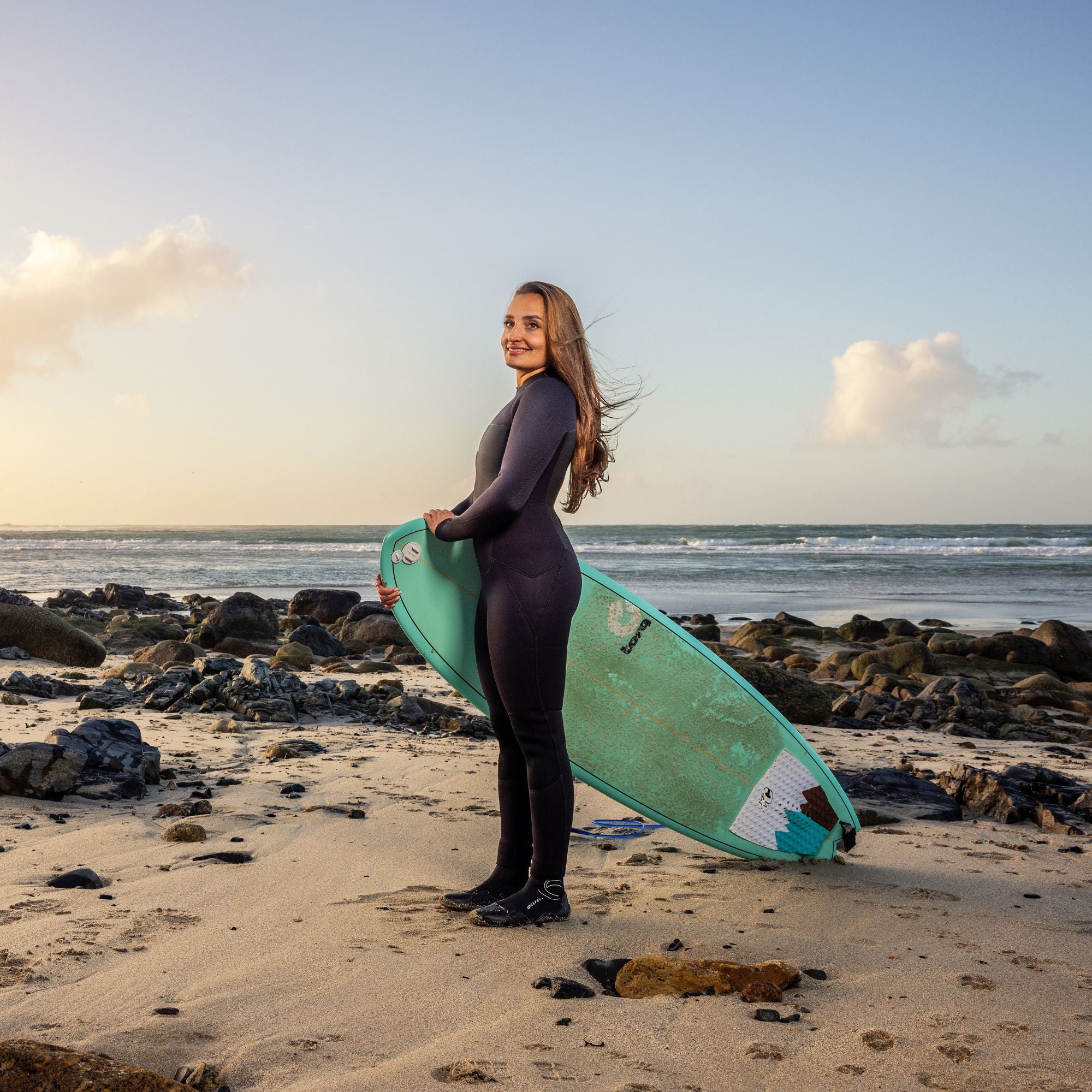
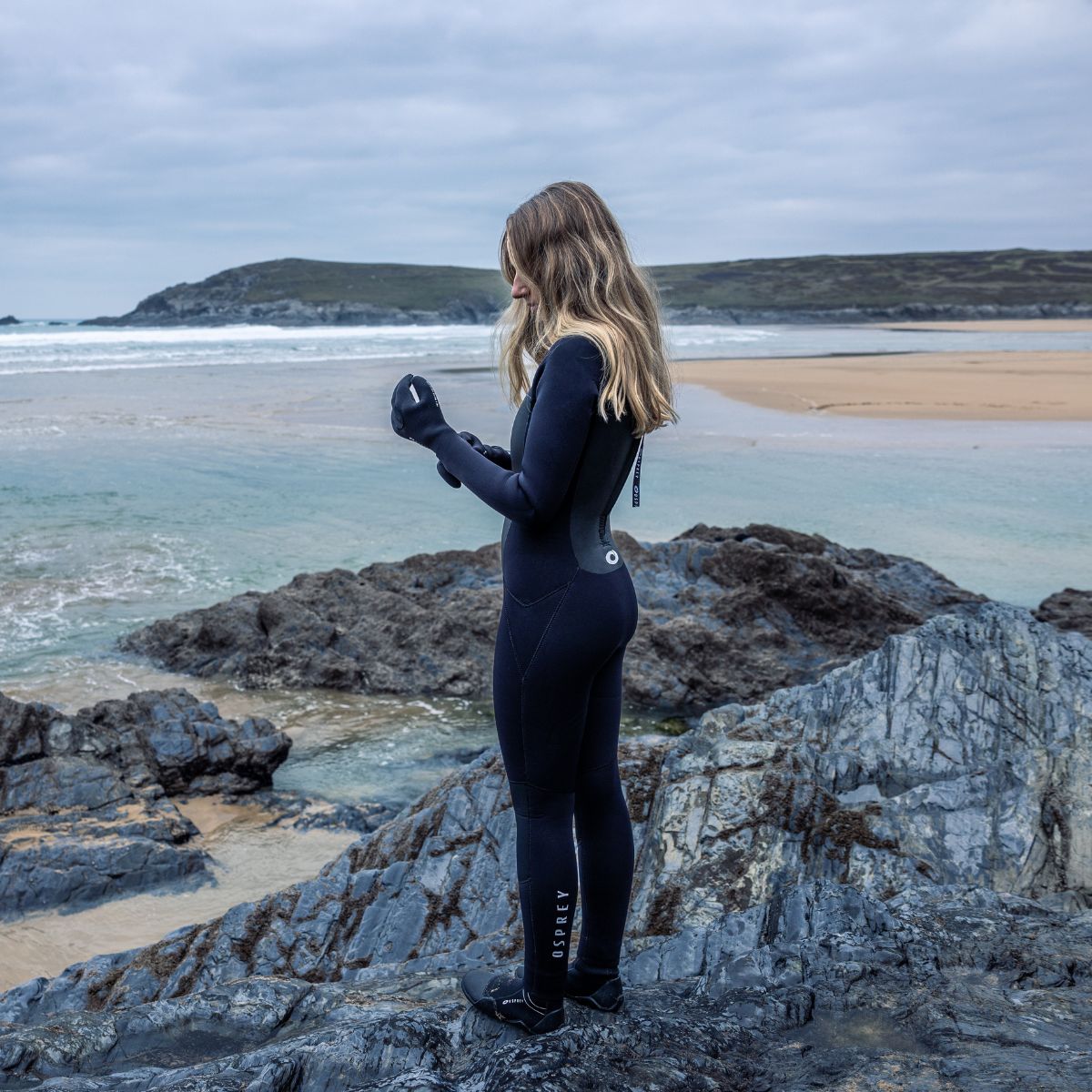
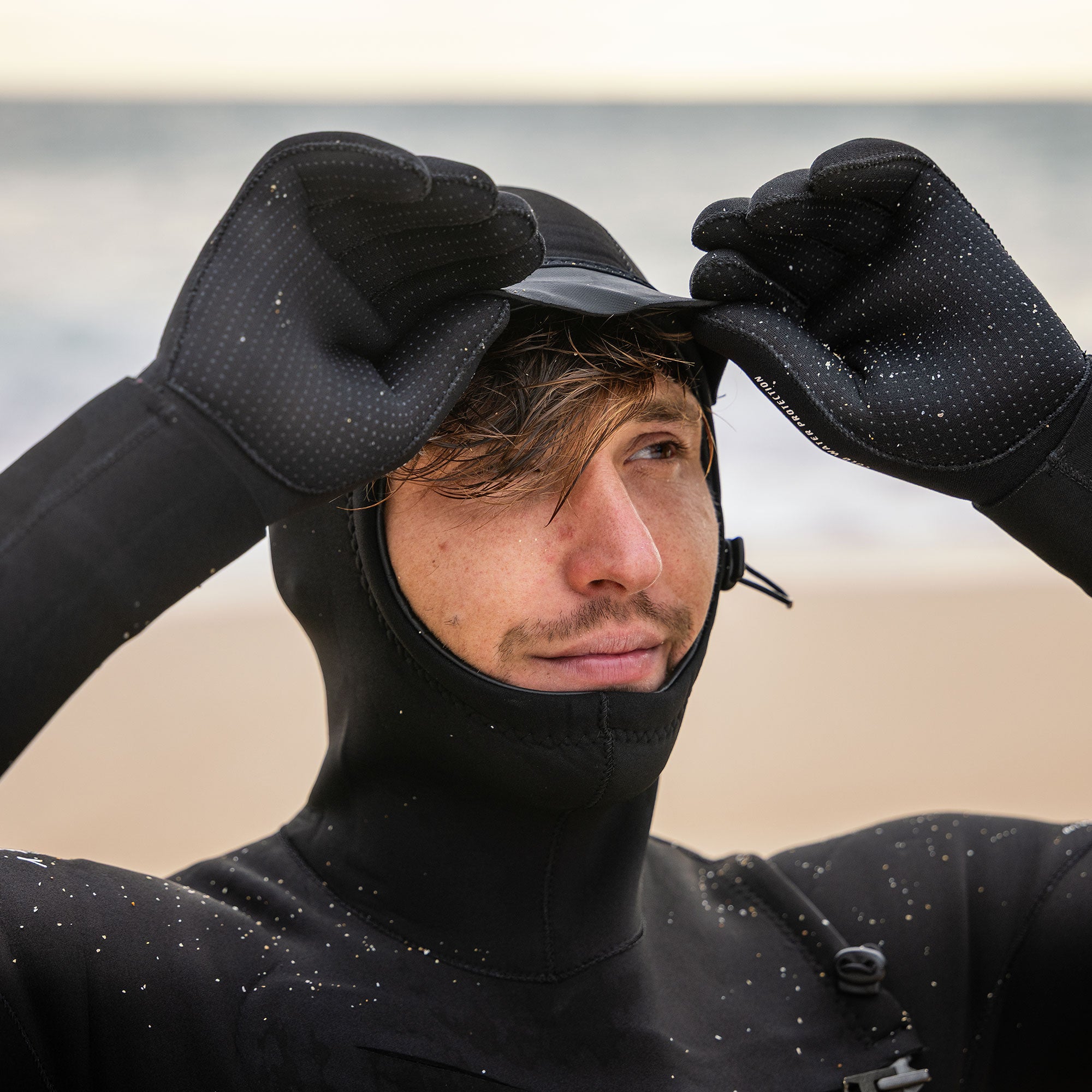
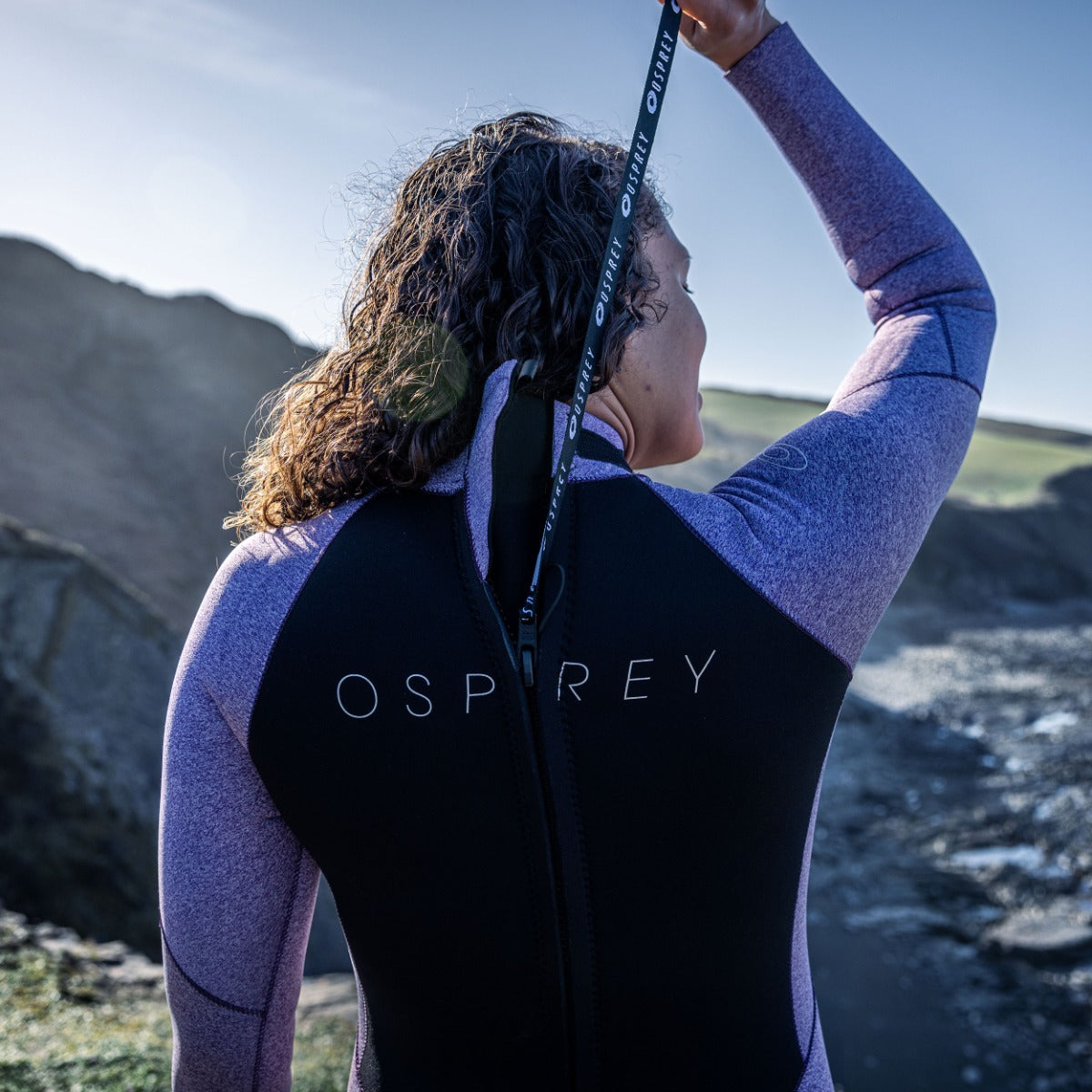
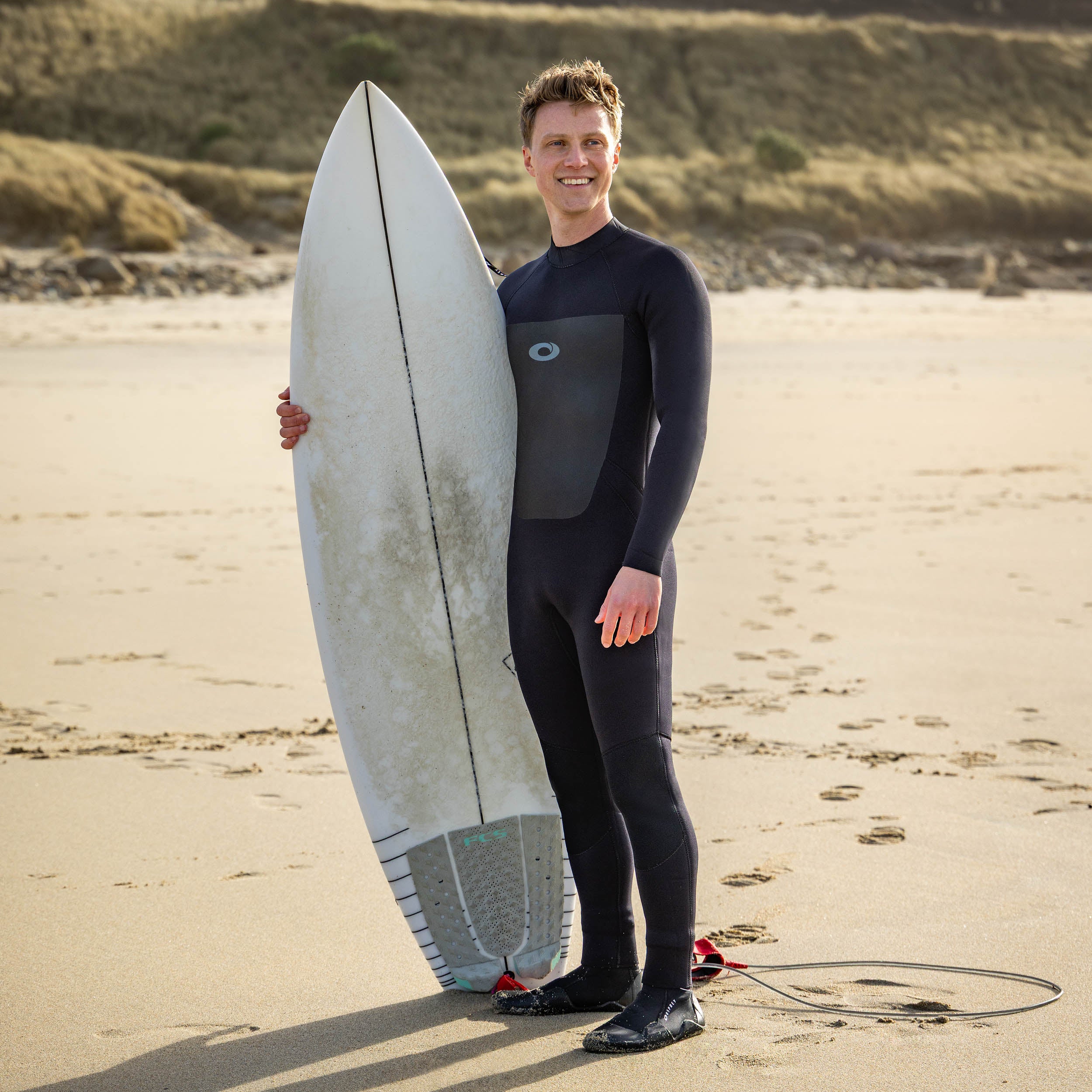
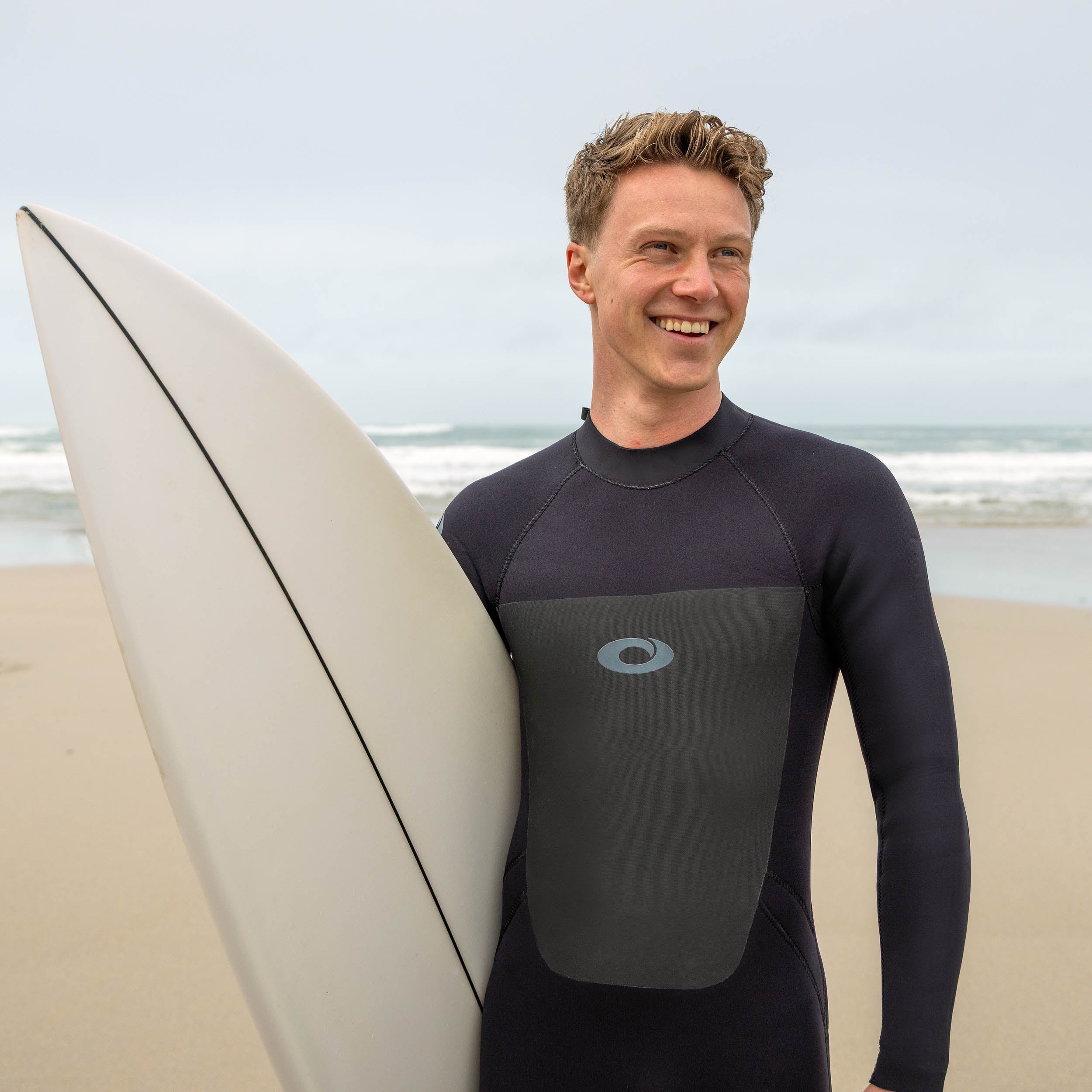
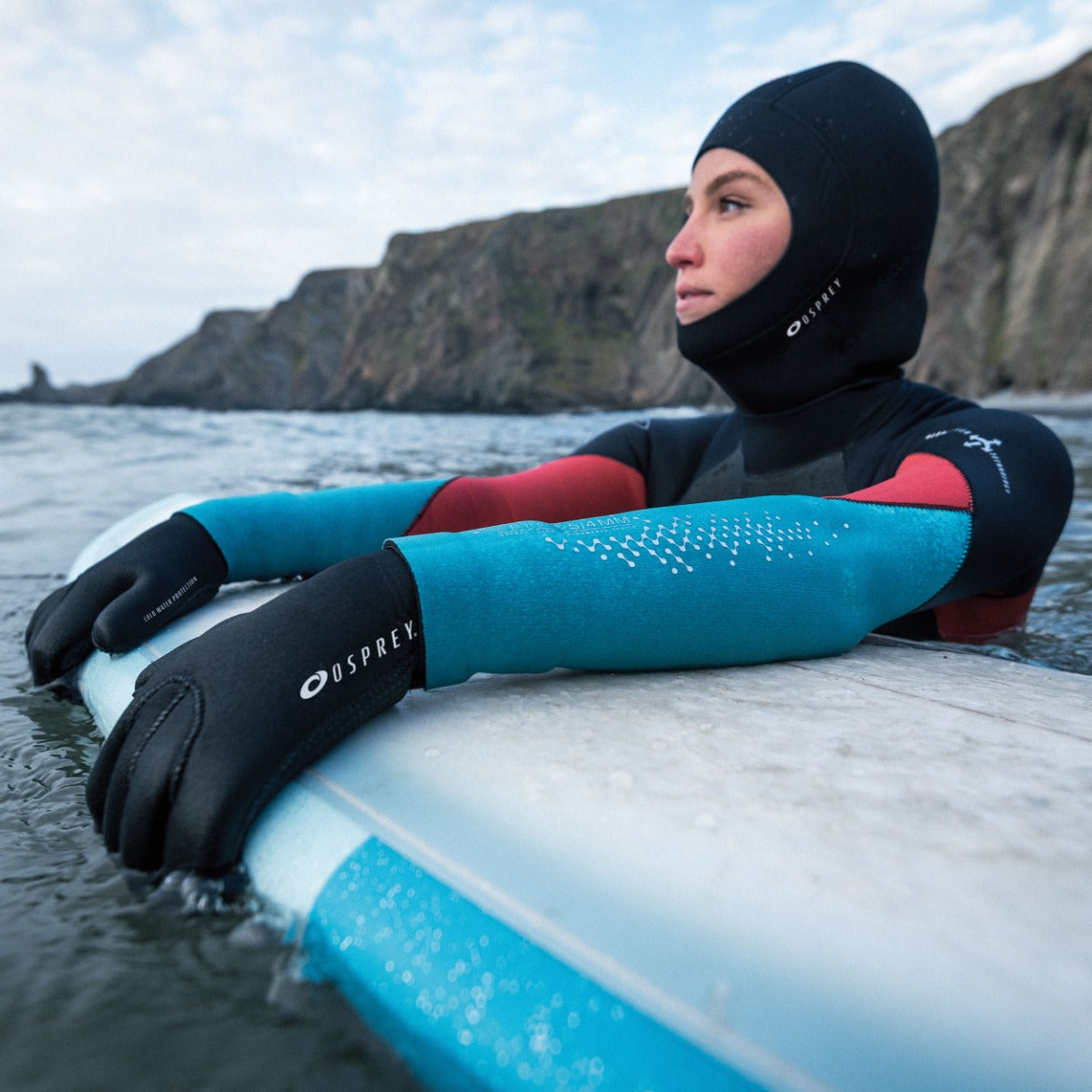
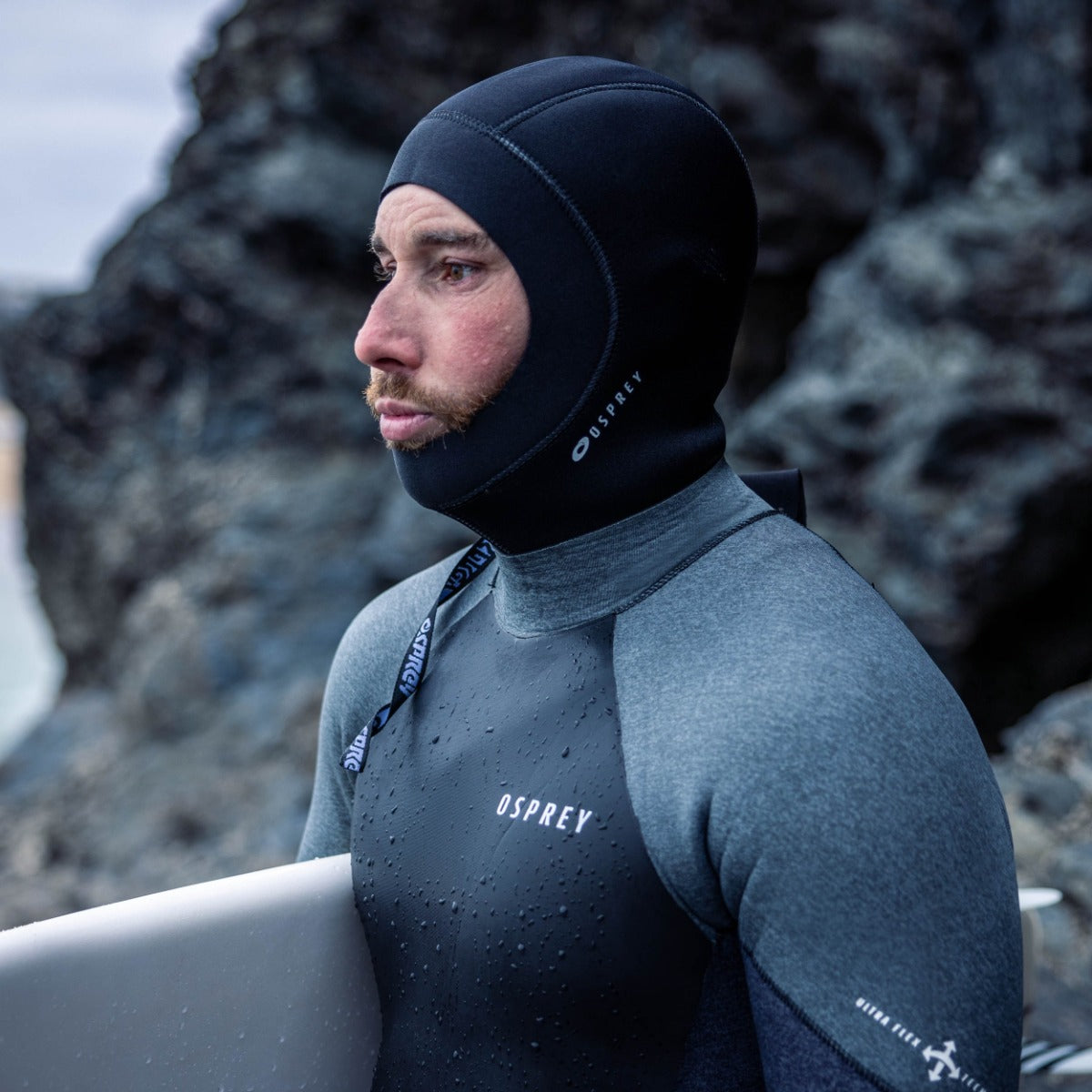
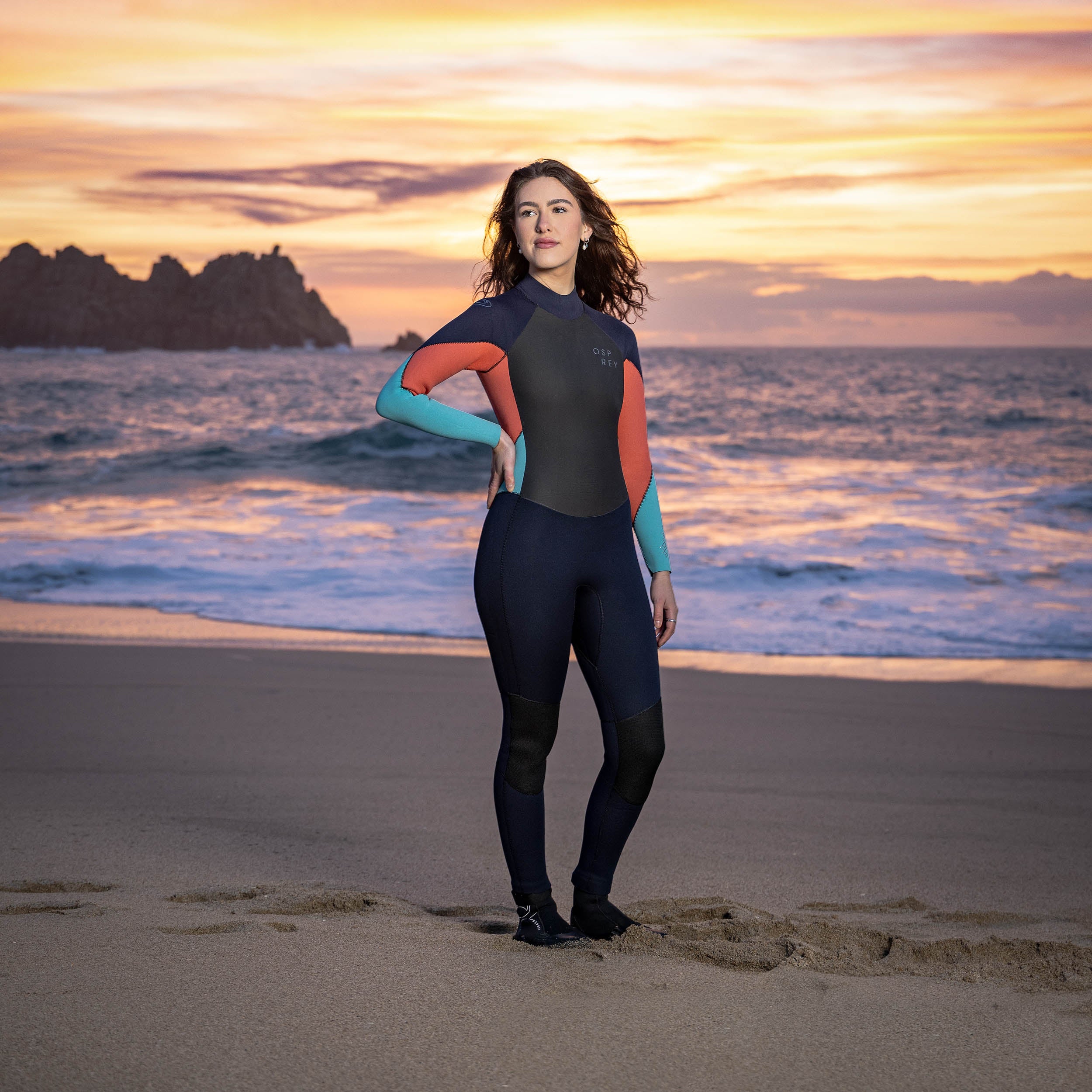
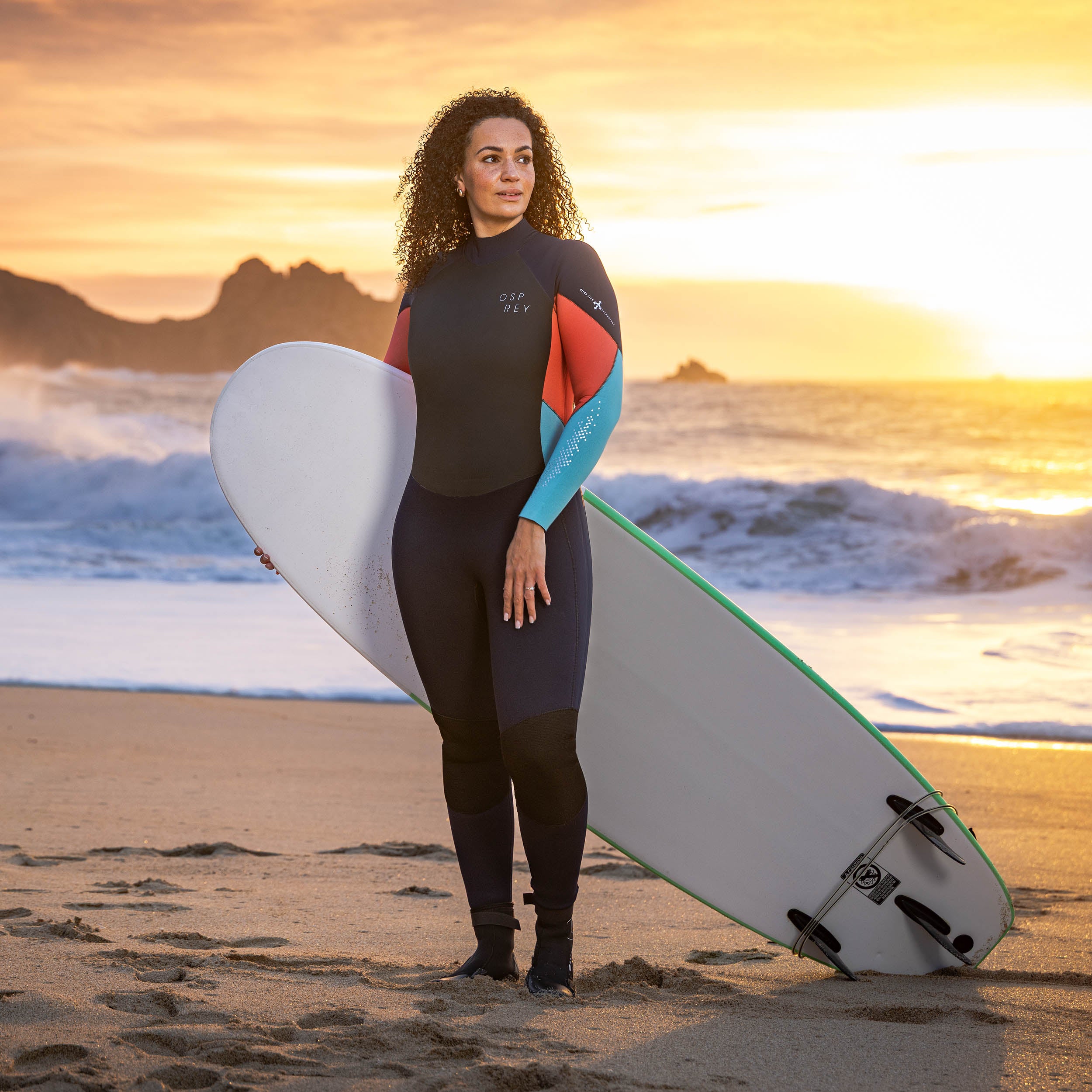
- Thermal wetsuit for colder months
Summer might be winding down, but there’s still plenty of time to get outside. From beach days and camping trips to weekends on the water, pick up your late-summer essentials for less with 50% off selected Osprey favourites. Summer might be winding down, but there’s still plenty of time to get outside. From beach days and camping trips to weekends on the water, pick up your late-summer essentials for less with 50% off selected Osprey favourites. Summer might be winding down, but there’s still plenty of time to get outside. From beach days and camping trips to weekends on the water, pick up your late-summer essentials for less with 50% off selected Osprey favourites. Summer might be winding down, but there’s still plenty of time to get outside. From beach days and camping trips to weekends on the water, pick up your late-summer essentials for less with 50% off selected Osprey favourites. Summer might be winding down, but there’s still plenty of time to get outside. From beach days and camping trips to weekends on the water, pick up your late-summer essentials for less with 50% off selected Osprey favourites. Summer might be winding down, but there’s still plenty of time to get outside. From beach days and camping trips to weekends on the water, pick up your late-summer essentials for less with 50% off selected Osprey favourites. Summer might be winding down, but there’s still plenty of time to get outside. From beach days and camping trips to weekends on the water, pick up your late-summer essentials for less with 50% off selected Osprey favourites. Summer might be winding down, but there’s still plenty of time to get outside. From beach days and camping trips to weekends on the water, pick up your late-summer essentials for less with 50% off selected Osprey favourites. Summer might be winding down, but there’s still plenty of time to get outside. From beach days and camping trips to weekends on the water, pick up your late-summer essentials for less with 50% off selected Osprey favourites. Summer might be winding down, but there’s still plenty of time to get outside. From beach days and camping trips to weekends on the water, pick up your late-summer essentials for less with 50% off selected Osprey favourites. Summer might be winding down, but there’s still plenty of time to get outside. From beach days and camping trips to weekends on the water, pick up your late-summer essentials for less with 50% off selected Osprey favourites. Summer might be winding down, but there’s still plenty of time to get outside. From beach days and camping trips to weekends on the water, pick up your late-summer essentials for less with 50% off selected Osprey favourites. Summer might be winding down, but there’s still plenty of time to get outside. From beach days and camping trips to weekends on the water, pick up your late-summer essentials for less with 50% off selected Osprey favourites.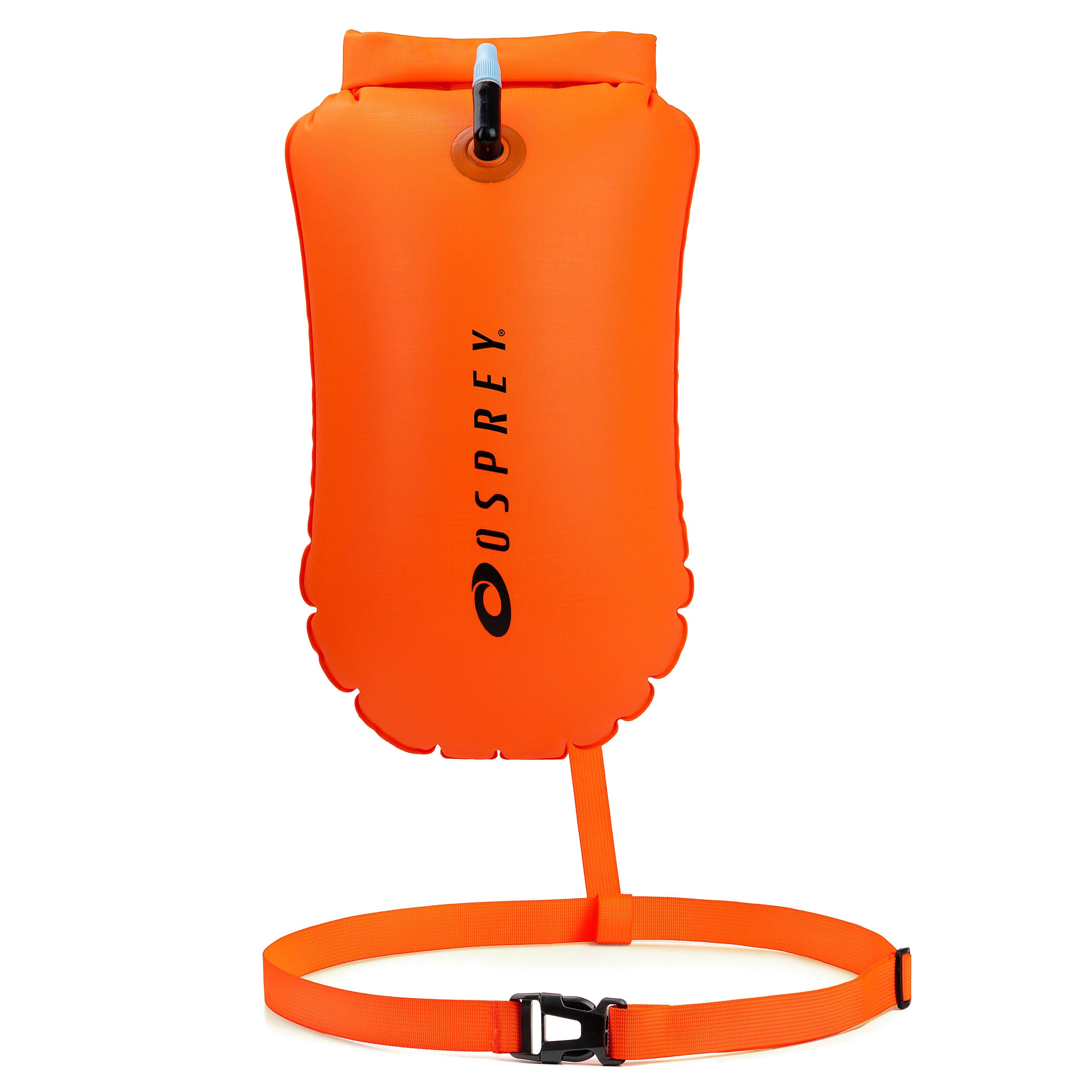





Learn to Read Conditions
Before entering:
- Check tide times
- Watch wave patterns
- Observe wind direction
Understanding your environment is one of the most important safety skills you can develop.
Beginner rule: If conditions look uncertain, skip the swim. The sea will still be there tomorrow.